
Introduction
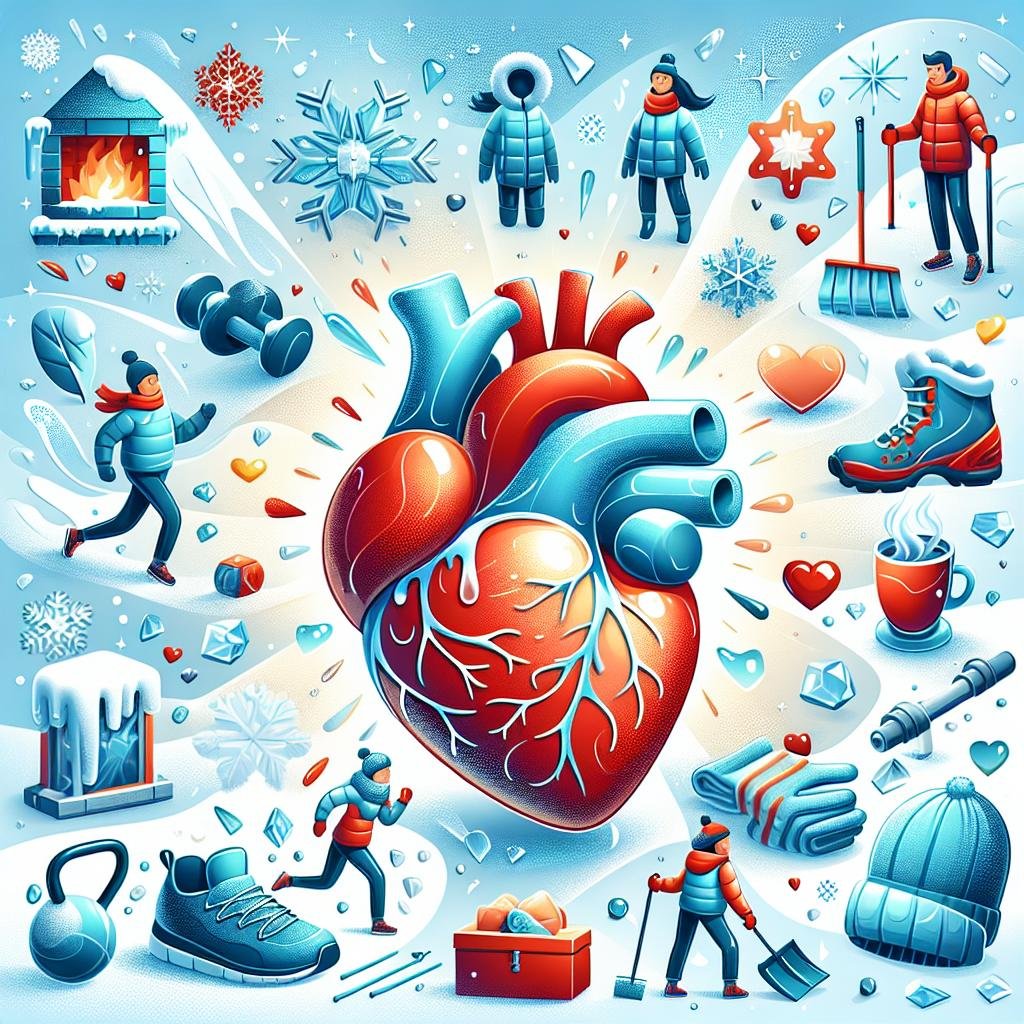
Cold weather can have a significant impact on our heart health, making it essential to understand and prepare for these effects during winter months. When temperatures drop, our bodies undergo various changes that can put extra stress on the cardiovascular system. This is particularly important for people who already have heart conditions or are at risk for heart disease.
Winter’s chill can cause blood vessels to constrict, which increases blood pressure and makes the heart work harder to pump blood throughout the body. Additionally, cold air can irritate the lungs and airways, potentially leading to breathing difficulties that further strain the heart. These physiological responses to cold can increase the risk of heart attacks and other cardiovascular events.
It’s not just the cold itself that poses a risk; winter activities like shoveling snow or engaging in strenuous outdoor exercise can also put unexpected demands on the heart. The combination of physical exertion and cold temperatures can be particularly dangerous for those who are not accustomed to such activities or have underlying health conditions.
Understanding these risks is the first step in protecting your heart during winter. By being aware of how cold weather affects your body, you can take proactive measures to maintain your cardiovascular health. This knowledge empowers you to make informed decisions about outdoor activities, dress appropriately for the weather, and recognize warning signs that may indicate heart-related issues.
In the following sections, we will explore in detail the specific ways cold weather impacts heart health, identify who is most at risk, and provide practical tips for staying safe and healthy during the winter months. By following these guidelines, you can enjoy the winter season while keeping your heart strong and healthy.
How Cold Weather Affects Cardiovascular Health
Physiological Changes
Cold weather causes several important changes in our bodies that can affect our heart health. When it’s cold outside, our blood vessels become narrower, which is called vasoconstriction. This narrowing makes it harder for blood to flow through our body, causing our heart to work harder. As a result, our blood pressure and heart rate go up. Our body does this to keep us warm by sending more blood to our vital organs and less to our hands and feet. While this helps us stay warm, it can put extra stress on our heart, especially for people who already have heart problems.
Another change that happens in cold weather is that our blood becomes thicker and more likely to clot. This is because cold temperatures can make the proteins in our blood stick together more easily. When blood clots form, they can block blood vessels and lead to serious problems like heart attacks or strokes.
Cold weather also makes us lose heat faster, which means our body has to work harder to maintain its normal temperature. This extra work can put more strain on our heart and cardiovascular system.
Increased Risk of Heart Attacks
Research has shown that heart attacks happen more often during cold weather. There are several reasons for this increased risk:
-
The narrowing of blood vessels in cold weather can reduce blood flow to the heart, which can trigger a heart attack in people with existing heart disease.
-
Cold air can irritate our lungs and airways, making it harder to breathe. This can put extra stress on our heart as it tries to pump oxygen-rich blood throughout our body.
-
Winter activities like shoveling snow can be very demanding on our hearts. The combination of cold air and physical exertion can be dangerous, especially for people who aren’t used to regular exercise.
-
The holiday season, which often coincides with cold weather, can be stressful for many people. Stress can raise blood pressure and heart rate, further increasing the risk of heart problems.
-
People tend to eat more high-calorie, high-fat foods during the winter months, which can contribute to weight gain and put extra strain on the heart.
Cold-Related Cardiovascular Conditions
Some heart and blood vessel conditions are particularly affected by cold weather:
-
Raynaud’s disease: This condition causes the small blood vessels in the fingers and toes to narrow dramatically in response to cold. This can lead to pain, numbness, and a change in skin color from white to blue to red as blood flow returns.
-
Angina: People with coronary heart disease may experience more frequent or severe chest pain (angina) in cold weather. This happens because the cold causes the heart to work harder, which can reduce blood flow to the heart muscle.
-
High blood pressure: Cold weather can cause a temporary increase in blood pressure, which can be dangerous for people who already have high blood pressure.
-
Heart failure: People with heart failure may find their symptoms get worse in cold weather because their heart has to work harder to pump blood around the body.
-
Peripheral artery disease: This condition, which affects blood flow to the limbs, can become more painful in cold weather as blood vessels constrict.
Understanding these effects of cold weather on our cardiovascular system can help us take better care of our hearts during the winter months. It’s important to stay warm, avoid overexertion in the cold, and be aware of any changes in how we feel when temperatures drop.
Precautions for Outdoor Activities
Dressing for Success
Protecting your cardiovascular health during outdoor activities in cold weather starts with dressing appropriately. Layering your clothing is a smart strategy that creates pockets of warm air between each layer, acting as insulation against the cold. Begin with a base layer of moisture-wicking material to keep sweat away from your skin. Add a middle layer of fleece or wool for warmth, and top it off with a waterproof outer layer to shield against wind and moisture.
Don’t forget to protect your extremities, as they’re particularly vulnerable to heat loss. Wear a warm hat or beanie to prevent heat from escaping through your head. Choose insulated gloves or mittens to keep your hands toasty, and opt for thick, warm socks paired with waterproof boots to keep your feet dry and comfortable. It’s crucial to avoid getting your clothes wet, as damp clothing can quickly lead to dangerous heat loss and increase your risk of hypothermia.
Exercise Safety
When it comes to outdoor exercise in cold weather, safety should be your top priority. If you plan to shovel snow, remember that this activity can be more strenuous than you might think. Take frequent breaks, and don’t try to clear large areas all at once. Instead, tackle smaller sections and rest in between. Stay hydrated by drinking water before, during, and after your outdoor activities.
Always listen to your body during cold-weather exercise. If you feel chest pain, dizziness, or shortness of breath, stop what you’re doing and seek help. These could be signs of heart distress. If you have a pre-existing heart condition or other health concerns, it’s wise to check with your doctor before starting any new outdoor winter activities. They can provide personalized advice based on your health status and fitness level.
Emergency Preparedness
Being prepared for emergencies is crucial when spending time outdoors in cold weather. Familiarize yourself with the signs of a heart attack, which can include severe chest pain, nausea, lightheadedness, and difficulty breathing. If you experience these symptoms, call for emergency help immediately.
Always carry a fully charged cell phone with you when you’re out in the cold. Program emergency numbers into your phone for quick access. It’s also a good idea to learn basic CPR, as this skill could save a life in an emergency situation. Before heading out, let someone know where you’re going and when you expect to return. This information can be vital if you need assistance and can’t call for help yourself.
Consider carrying a small emergency kit with you, especially for longer outdoor activities. This kit could include items like a whistle to signal for help, a small flashlight, and some high-energy snacks. Being prepared can make a big difference in an emergency situation and help protect your heart health in cold weather conditions.
Indoor Precautions
Maintaining a Healthy Environment
Creating a warm and well-ventilated home is crucial for protecting your heart health during winter. Start by ensuring your heating system is in good working order before the cold weather hits. Have a professional inspect and service your furnace or boiler annually to prevent breakdowns and ensure efficient operation. Proper insulation is also key to keeping your home warm and reducing energy costs. Check for drafts around windows and doors, and seal any gaps you find with weatherstripping or caulk. This will help maintain a consistent indoor temperature and reduce the strain on your heating system.
While space heaters can provide additional warmth, they come with risks. If you must use one, choose a model with safety features like automatic shut-off and tip-over protection. Always keep space heaters away from flammable materials and never leave them unattended. Instead of relying on space heaters, consider using warm blankets or wearing layers indoors to stay comfortable.
Carbon monoxide is a silent danger that increases during winter when homes are sealed tight. Install carbon monoxide detectors on every level of your home, especially near bedrooms. Test these detectors monthly and replace batteries as needed. If you have a fireplace or wood stove, have the chimney cleaned and inspected annually to prevent carbon monoxide buildup.
Staying Active Indoors
Maintaining physical activity during winter is essential for heart health, even when it’s too cold to exercise outdoors. Create an indoor exercise routine that includes a mix of cardio and strength training. You don’t need fancy equipment to get a good workout at home. Try following along with online workout videos, which offer a wide range of options from gentle yoga to high-intensity interval training.
Bodyweight exercises like push-ups, squats, and lunges are excellent for building strength without any equipment. For cardio, consider activities like jumping jacks, jogging in place, or dancing to your favorite music. If you have stairs in your home, climbing them several times a day can provide an excellent cardio workout.
Don’t underestimate the value of everyday activities in keeping you active. Vacuuming, mopping, and other household chores can elevate your heart rate and burn calories. Consider making these tasks more challenging by adding extra movements or increasing your pace. For example, do lunges while vacuuming or squat while loading the dishwasher.
If you have the space and budget, invest in some basic home exercise equipment like resistance bands, a yoga mat, or light dumbbells. These versatile tools can greatly expand your indoor workout options.
Healthy Eating
Winter often brings cravings for comfort foods, but it’s important to maintain a heart-healthy diet during these colder months. Focus on filling your plate with nutrient-dense foods that support cardiovascular health. Include plenty of fruits and vegetables, which can be fresh, frozen, or canned (choose low-sodium options for canned vegetables).
Warm, hearty meals can still be healthy. Start your day with a bowl of oatmeal topped with fresh berries and a sprinkle of cinnamon for a heart-healthy breakfast. For lunch and dinner, incorporate roasted vegetables into your meals. They’re easy to prepare and packed with nutrients. Toss a mix of carrots, Brussels sprouts, and sweet potatoes with a little olive oil and roast them in the oven for a delicious side dish.
Soups and stews can be excellent winter meals when prepared with the right ingredients. Choose low-sodium broths and load your soup with vegetables and lean proteins like chicken or beans. Avoid cream-based soups, which are often high in saturated fat.
While it’s tempting to reach for sugary snacks or salty chips, try healthier alternatives. Nuts, seeds, and fresh fruit make great snacks that support heart health. If you’re craving something warm, try a small portion of unsalted mixed nuts heated in the oven for a few minutes.
Staying hydrated is just as important in winter as it is in summer. Your body still needs plenty of water, even when it’s cold outside. Aim for at least 8 glasses of water a day. If cold water doesn’t appeal to you, try herbal teas or warm water with a slice of lemon. Just be cautious with caffeinated beverages, as they can act as diuretics and potentially lead to dehydration.
Managing Stress and Anxiety
The Impact of Stress on Cardiovascular Health
Stress can have a significant impact on your heart health. When you’re stressed, your body releases hormones like cortisol and adrenaline, which can cause your heart to beat faster and your blood pressure to rise. Over time, this can lead to damage to your blood vessels and increase your risk of heart problems. In winter, stress levels can be higher due to various factors, making it even more important to manage stress for the sake of your heart.
Winter-Specific Stressors
Winter brings its own set of stressors that can affect your heart health:
-
Holiday stress: The holiday season can be a busy and overwhelming time. You might feel pressure to buy gifts, attend social events, and prepare special meals. This can lead to increased stress levels.
-
Seasonal Affective Disorder (SAD): Some people experience mood changes during the winter months due to less sunlight. SAD can cause feelings of sadness, low energy, and increased anxiety, which can indirectly affect heart health.
-
Cold weather: The cold itself can be stressful for your body, causing your blood vessels to constrict and potentially raising blood pressure.
-
Reduced physical activity: Many people become less active in winter, which can lead to weight gain and increased stress levels.
To manage these winter-specific stressors:
- Set realistic expectations for the holiday season and don’t be afraid to say no to some commitments.
- Use light therapy or spend time outdoors during daylight hours to combat SAD.
- Stay active with indoor exercises or winter sports to maintain physical and mental health.
- Maintain a regular sleep schedule to help regulate your mood and stress levels.
- Connect with friends and family for emotional support.
- Limit alcohol consumption, as excessive drinking can increase stress and negatively impact heart health.
Relaxation Techniques
Incorporating relaxation techniques into your daily routine can help manage stress and protect your heart health:
-
Deep breathing exercises: Take slow, deep breaths to help calm your mind and body. This can lower your heart rate and blood pressure.
-
Meditation: Spend a few minutes each day in quiet reflection or guided meditation to reduce stress and improve overall well-being.
-
Yoga: Practice gentle yoga poses to stretch your body, improve flexibility, and promote relaxation.
-
Progressive muscle relaxation: Tense and then relax different muscle groups in your body to release physical tension and mental stress.
-
Mindfulness: Focus on the present moment and your surroundings to help reduce anxiety about the future or regrets about the past.
-
Hobbies: Engage in activities you enjoy, such as reading, crafting, or listening to music, to take your mind off stressors and promote relaxation.
Remember to make time for these relaxation techniques, even when your schedule feels busy. Just a few minutes of relaxation each day can have a positive impact on your stress levels and heart health during the winter months.
Special Considerations for High-Risk Groups
The Elderly
Older adults face unique challenges during the winter months that can affect their cardiovascular health. They often have limited mobility, which makes it harder to stay active and maintain good circulation. Additionally, many elderly individuals have a diminished ability to sense temperature changes, putting them at a higher risk of hypothermia. This condition can be particularly dangerous for their heart health.
To protect elderly individuals during cold weather:
- Ensure they have access to warm, layered clothing that can be easily put on and removed.
- Keep their home at a comfortable temperature, ideally around 68°F (20°C).
- Arrange for regular check-ins from family members, friends, or neighbors.
- Encourage them to stay hydrated by drinking warm, non-caffeinated beverages.
- Help them maintain a nutritious diet rich in fruits, vegetables, and lean proteins.
- Assist with setting up a safe indoor exercise routine to keep their heart healthy.
Those with Pre-Existing Conditions
Individuals who already have cardiovascular conditions need to be extra cautious during winter. Cold weather can put additional stress on the heart, potentially exacerbating existing problems. Here are some important steps for those with pre-existing heart conditions:
- Consult with their healthcare provider before engaging in any strenuous winter activities, such as snow shoveling or outdoor sports.
- Be aware of the signs of heart distress, including chest pain, shortness of breath, and dizziness.
- Have a clear emergency plan in place, including easy access to medication and important phone numbers.
- Wear a medical alert bracelet or necklace to inform others of their condition in case of an emergency.
- Monitor blood pressure regularly and keep it under control through medication and lifestyle choices.
- Limit alcohol consumption, as it can increase the risk of hypothermia and interfere with medications.
Pregnant Women
Pregnancy brings about significant changes in a woman’s body, and cold weather can present additional challenges. Pregnant women should take special precautions during winter to protect both their own health and that of their unborn child:
- Avoid excessive physical exertion, especially in cold temperatures.
- Stay warm by dressing in layers and wearing appropriate winter clothing.
- Maintain proper hydration by drinking plenty of water and warm, caffeine-free beverages.
- Attend regular prenatal check-ups to monitor health and address any concerns promptly.
- Practice safe indoor exercises approved by their healthcare provider to maintain cardiovascular health.
- Be cautious of icy surfaces to prevent falls, which can be dangerous during pregnancy.
- Eat a balanced diet rich in nutrients to support both maternal and fetal health.
By following these guidelines, high-risk groups can better protect their cardiovascular health during the winter months and enjoy the season safely.
Conclusion
Cold weather can significantly impact our cardiovascular health, but there are many ways to stay safe and healthy during winter. Understanding how our bodies respond to cold temperatures is crucial for protecting our hearts. When we’re exposed to cold, our blood vessels constrict, which can increase blood pressure and put extra strain on the heart. This is why it’s important to take extra precautions during the colder months.
For outdoor activities, it’s essential to dress in layers and avoid overexertion. Wearing warm, moisture-wicking clothing helps regulate body temperature and prevents excessive sweating, which can lead to rapid cooling. It’s also wise to warm up gradually before engaging in strenuous activities like shoveling snow or winter sports.
Creating a healthy indoor environment is equally important. Maintaining a comfortable temperature in your home, typically between 68-72°F (20-22°C), can help reduce stress on your cardiovascular system. Using a humidifier can also prevent the dry air often associated with indoor heating from irritating your respiratory system.
Managing stress during the winter months is crucial for heart health. The holiday season and shorter days can increase stress levels, which in turn affects cardiovascular health. Practicing relaxation techniques, such as deep breathing exercises or meditation, can help reduce stress and protect your heart.
It’s particularly important to consider high-risk groups during cold weather. Elderly individuals, those with pre-existing heart conditions, and people with respiratory issues should take extra precautions. This may include limiting time outdoors during extremely cold days and ensuring they have a support system to check on them regularly.
By following these guidelines and being mindful of how cold weather affects our bodies, we can protect our cardiovascular health throughout the winter season. Remember to consult with your healthcare provider if you have concerns about how cold weather might affect your specific health conditions.
References
- British Heart Foundation. (n.d.). Will cold weather affect my heart condition? Retrieved from https://www.bhf.org.uk/informationsupport/support/practical-support/will-cold-weather-affect-my-heart-condition
- National Weather Service. (n.d.). Winter Weather Safety. Retrieved from https://www.weather.gov/arx/wintersafety
- American Heart Association. (2024, January 11). Cold Weather and Cardiovascular Disease. Retrieved from https://www.heart.org/en/health-topics/consumer-healthcare/what-is-cardiovascular-disease/cold-weather-and-cardiovascular-disease
- Northwestern Medicine. (2022, November). Your Heart in Winter. Retrieved from https://www.nm.org/healthbeat/healthy-tips/Your-Heart-in-Winter
- Temple Health. (2021, February 2). How to Protect Your Heart in the Winter. Retrieved from https://www.templehealth.org/about/blog/how-to-protect-your-heart-in-winter